Laura Feliu
Food Menu
by Paola Paleari
I vividly remember a night out with some friends many years ago, when I was still living in Rome and just about to move to Copenhagen. We were at a bar, and a former classmate of one of us joined the table – he had been living in Denmark for some time and was visiting his family for a few days. The conversation quickly turned to what awaited me in the northern lands as soon as he heard of my imminent relocation. ‘You’ll hate the weather!’ he unequivocally stated. ‘But most of all, you’ll want to kill for tomatoes that taste of something’. And so he went, sharing plenty of unsolicited details about the weirdest Scandinavian culinary traditions and the exorbitant prices of the fresh ingredients and delicacies that used to be part of his daily diet before moving. The insistence on his gastronomic sorrows made me uncomfortable. No doubt the Mediterranean cooking is loved worldwide for a reason. But how is it even possible that, when it comes to food, Italians can’t look further than the length of spaghetti – as if our eating customs were the only legit ones? ‘I’m not gonna be so dramatic’, I swore to myself.
I was very wrong. The thing I miss most in my daily life as an expat is, indeed, my country’s kitchen culture. For the record, Copenhagen is full of wonderful eateries and hosts some of the most applauded restaurants in the world. I am fond of many local specialities, and I even got to prefer rye bread to white bread. But at one point, a sentimental craving for specific flavours, textures and visual details seeped in. And, instead of vanishing with time, it has grown over the years in a way that is inversely proportional to the settling-down process in my new country. It is what Colombian journalist Liliana Rocío León Moreno has named the ‘nostalgia of the palate’: the sensation of missing the tastes and dishes of one’s homeland that is felt by millions of immigrants across the planet – Spanish lens-based artist Laura Feliu included.
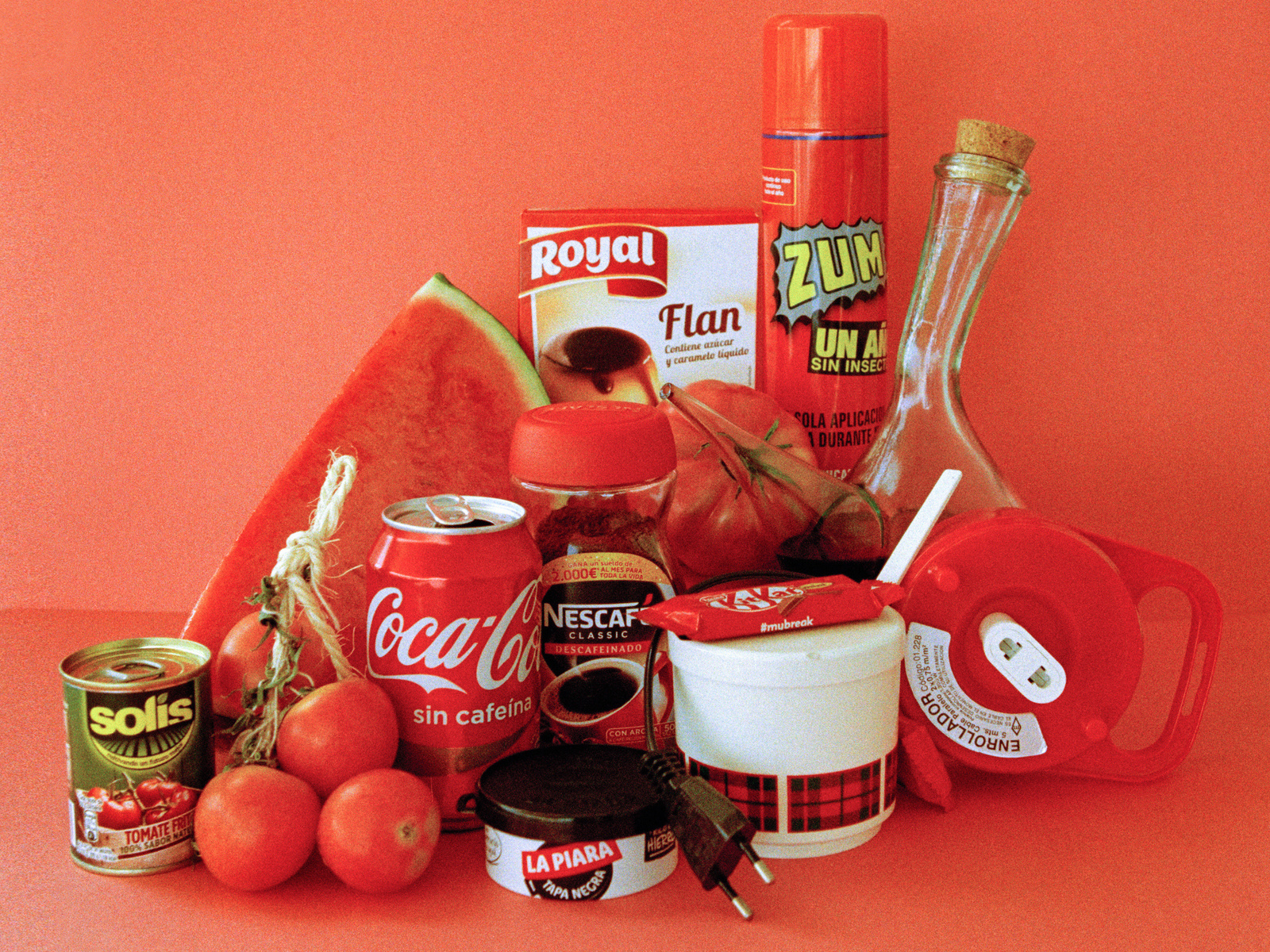
Laura Feliu, from the series Food Menu, 2017
Feliu created the project Food Menu in the summer of 2017 at her grandparents’ summer
house in Sitges, Catalonia. Fresh graduate from the Gray’s School of Art in Edinburgh, where she had been living for a few years, she packed five rolls of the cheapest colour Kodak film and her 35mm camera and headed south. Her idea was to enjoy the warm weather while reviving some of her childhood vacation vibes. ‘When I was little’, Feliu says, ‘my whole family used to live in the same community, and I would spend my summer months having breakfast and lunch with my grandparents and cousins every day. Eating together was a fundamental ritual and, for me, the house brims of food-related memories, such as the peaches’ soft touch, the bright red of gazpacho, the sweetness of watermelons and the acidity of ripe lemons’.
How to translate the resurfacing of these succulent flashbacks into images came quite
naturally: through colour. One morning, she got the most eye-catching sheets of paper from the local stationery store and, with no other criteria in mind, started arranging groceries from the market and objects found around the house with the paper sheets as a backdrop. Feliu’s grandad, a retired architect, assisted her in creating the compositions by building small props and suggesting solutions to best organise the various articles for the photo shoots. This unplanned collaboration – together with the inclusion of a few items that insist on a strictly personal note, such as the VHS tape of the Ride of the Valkyries by Richard Wagner – made the project even more authentic to the intention set by the artist at the beginning of her experiment.
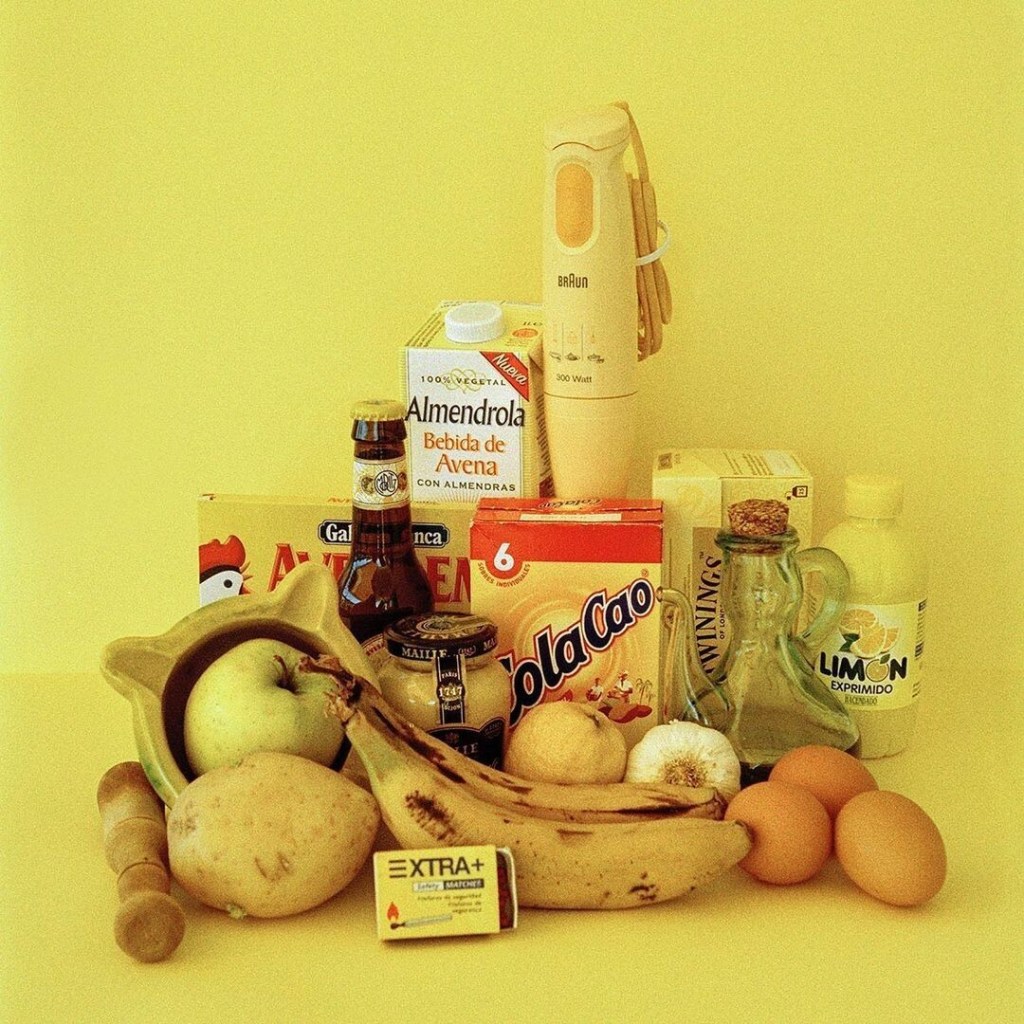
Laura Feliu, from the series Food Menu, 2017
While happening out of spontaneity, the seven still lifes of Food Menu – one per each day of the week – are inevitably also a mirror of family habits and the cultural codes of daily living. The genre of natura morta has played an often underestimated and yet crucial role in the history of art, crossing the centuries and a number of artistic movements. Still lifes are much more than just representations of laid tables: through them, we can reconstruct the prevalent social and economic tendencies of the time that are reflected in the selection of foods, fabrics and objects depicted.
Talking the language of colour, which is at the same time subjectively and universally
understood, Laura Feliu’s vibrant arrangements capture the essence of a traditional Catalan pantry with both precision and lightness. You might want to take a trip to Spain when looking at them, or you may miss home if this is where you come from.
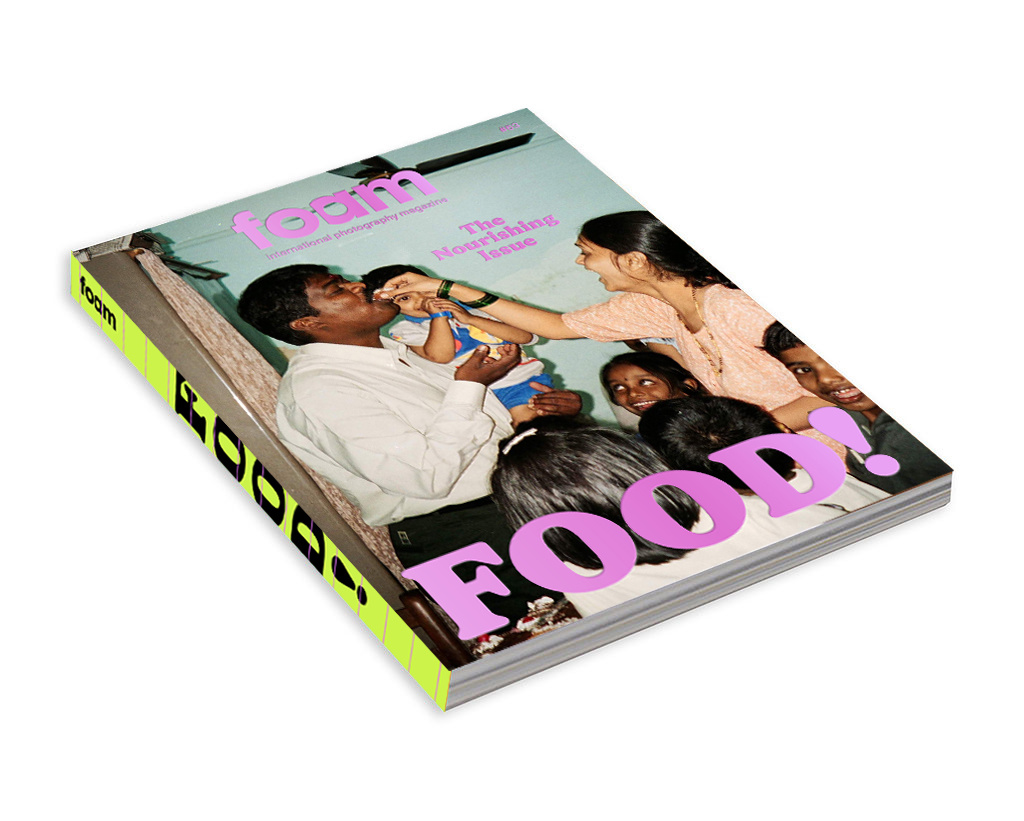
Published in Foam Magazine #63 – FOOD!, January 2023
 paola paleari